
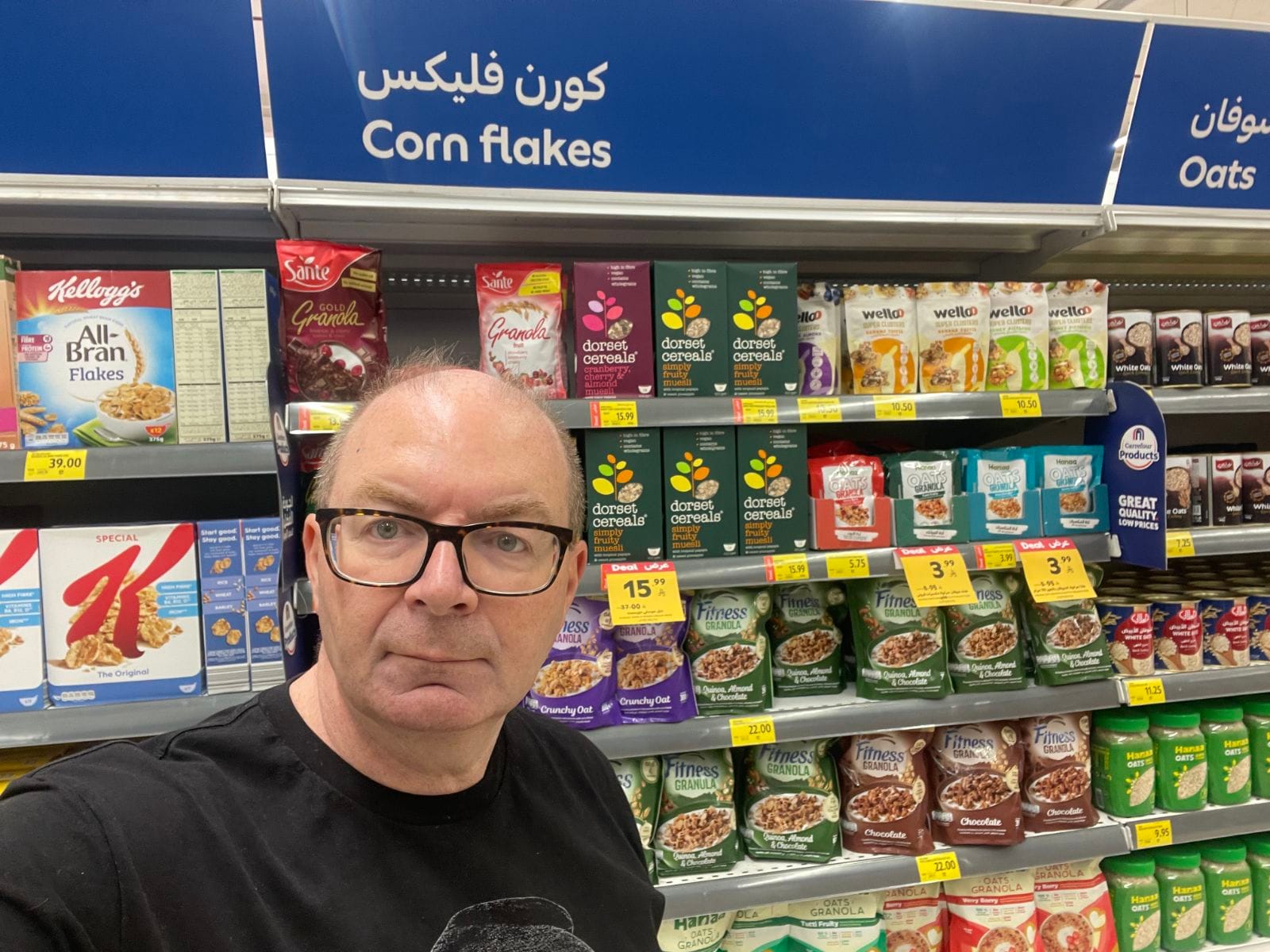
Having lived and worked in Riyadh for six months, I’ve seen first-hand how the Saudi food market is changing. Traditional food remains central to family life and social occasions, while demand for convenience, delivery and a broader mix of international products is growing. This is due to a young population and a sizeable expat community as well as a rising demand for convenience. This combination creates real opportunities for food and drink businesses. Understanding the local consumer and choosing the right route to market, is pivotal to success.
Saudi Arabia – a market that UK Food and Drink businesses should be taking seriously.
Its food retail sector was valued at around US$57 billion in 2025, and the USDA forecasts growth of approximately 4% in 2026. For UK brands, manufacturers and suppliers, the opportunity is real—but success depends on choosing the right route to market, retailer and product proposition.
A substantial market, with a clear need for local understanding.
Saudi Arabia’s population was approximately 35.2 million in 2025, according to the USDA. Its food retail market is growing alongside changing consumer expectations and continued investment in physical stores and online grocery.The scale of the opportunity is attractive, but market size alone doesn’t tell a business where to start. The five leading food retail groups identified in the USDA report—Lulu, Tamimi, Panda, Danube and Othaim—together account for more than 80% of food retail revenues. That makes retailer selection, buyer engagement and a compelling reason to list particularly important.
For UK businesses, the key is to understand the shopper journey before deciding how to enter. Where does your target customer shop? Which retailers are right for your product and price point? What makes your offer stand out from local and international competitors? These questions should shape the export plan from the start.
Consumer habits are changing, but tradition remains.
Traditional Saudi food continues to play an important role in family life and social occasions. At the same time, demand is growing for quick, convenient food options, supported by urban lifestyles, online grocery and home delivery. That isn’t a simple shift from traditional food to international brands. It’s a broader expansion of choice. Consumers are looking for products that suit different occasions: a familiar meal at home, something quick to prepare during the week, or a convenient option ordered in.
The USDA report highlights demand for healthier, convenient and ethnic food products, alongside opportunities in ready meals, baked goods, ice cream and frozen treats, breakfast cereals, savoury snacks and beverages. For UK businesses, these categories are worth exploring, but only with a clear view of the competition, consumer needs and the price shoppers will accept.
Finding the right product opportunity.
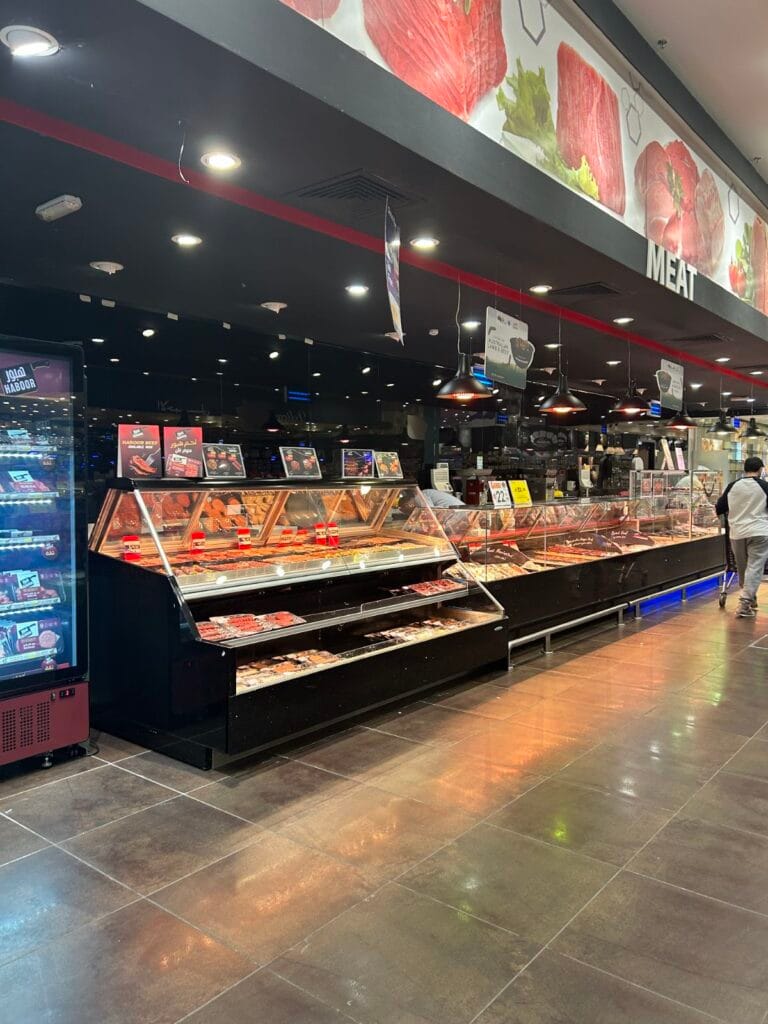
Across grocery, established ranges in fresh, ambient and frozen sit alongside opportunities for more choice and sharper product positioning. Chilled pasta, ready meals, speciality cheeses, pizzas, prepared salads, soups and fresh noodles may all warrant investigation.
In the centre of store, businesses could assess opportunities in canned foods, condiments, cooking and baking aids, and healthier snacks. These are starting points for category research, not guaranteed gaps. A product missing from the shelf isn’t automatically a market opportunity. It may reflect a need that hasn’t yet been met, or a previous offer that didn’t work.
Before investing, assess the category, competing products, target retailer and shopper. Consider the product format, pack size, price, shelf placement and supply requirements.
A clear USP will help buyers understand why the product belongs in their range and help consumers see why they should choose it.
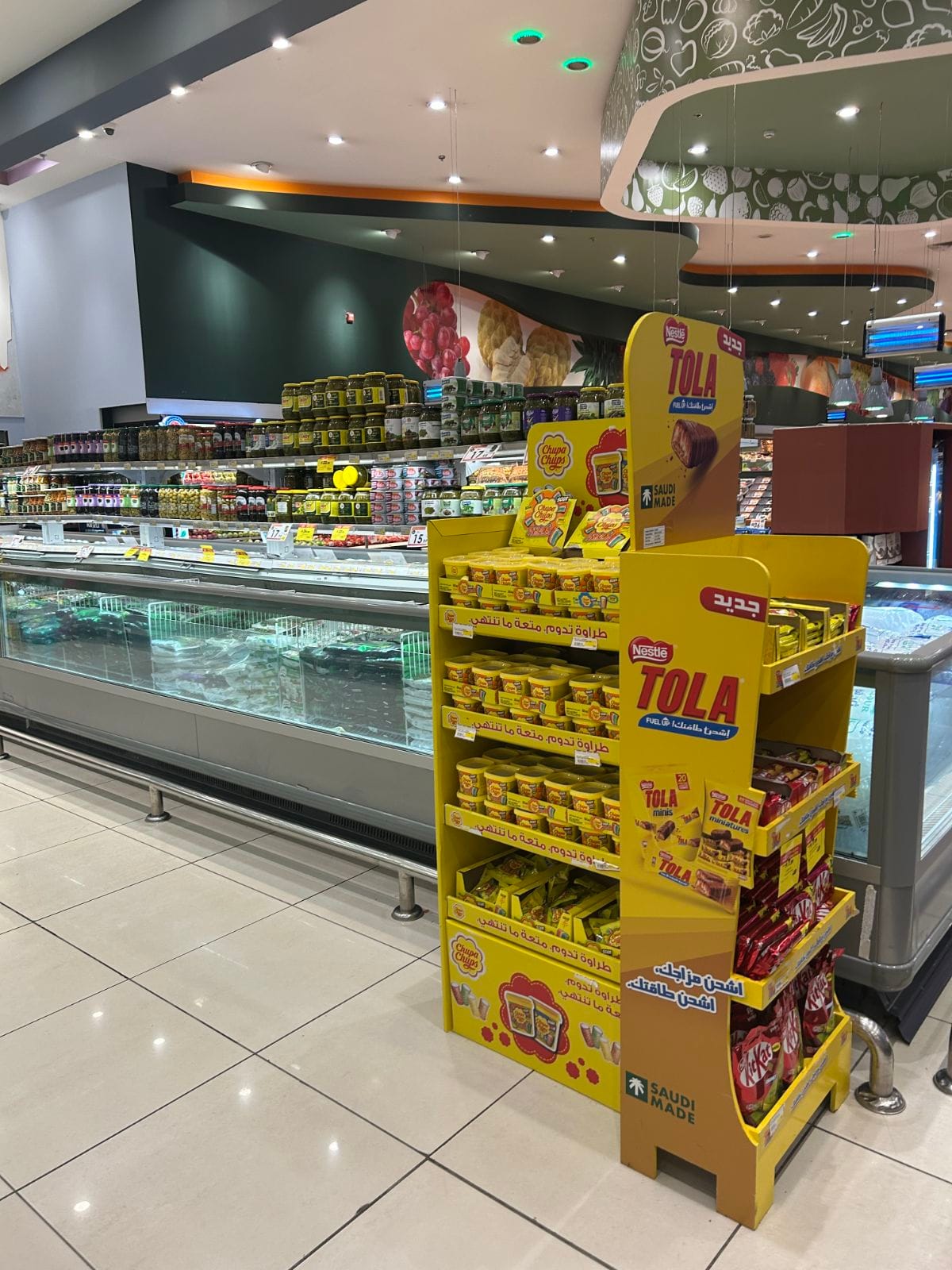
Retailers, own label and the case for partnership.
Saudi retailers are expanding their ranges and seeking products that meet changing consumer demand. That creates opportunities for established brands and for manufacturers with the capability to develop high-quality own-label products.
For contract manufacturers, the opportunity is about more than production capacity. Retail partners need consistent quality, competitive costs, reliable service and the ability to meet agreed specifications. Businesses should assess potential partners carefully, looking at technical capability, available capacity, quality systems, intellectual property and flexibility as volumes change.
For brands, retailer access is only one part of the plan. A successful listing depends on being able to supply consistently, support the product in market and build a relationship with the buyer. Winning the meeting is the beginning. Delivering on availability and consumer response is what helps secure the next one.
Build the market-entry plan around the realities of export.
A UK business entering Saudi Arabia needs to plan for local compliance, importer and distribution relationships, logistics, pricing and retailer requirements.
The USDA notes that regulatory requirements, strong competition and retailer fees can all affect market entry. These practicalities need consideration alongside the brand proposition, not after a listing has been secured.
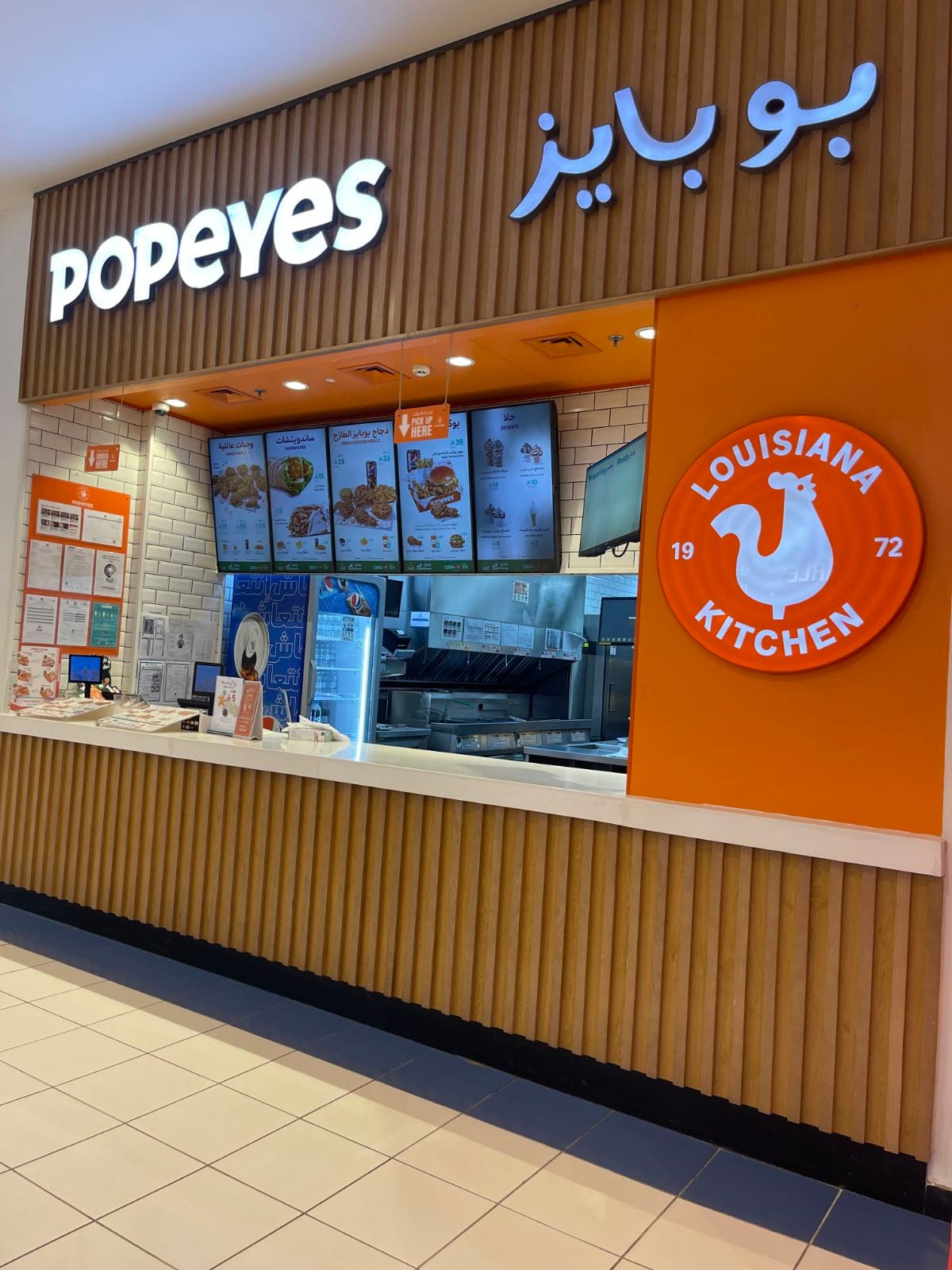
Food security is also a strategic priority for the Kingdom. Saudi Arabia’s Vision 2030 agenda includes strengthening domestic food production and supply. For international businesses, this makes it worth assessing whether exporting, working with a local manufacturing partner or using a combination of both best supports the long-term opportunity. The right answer depends on the product, customer, volumes and supply chain.
Health, packaging and environmental considerations belong in the same early-stage assessment. They influence product design, consumer appeal and the questions buyers may ask. Addressing them from the outset is more effective than trying to retrofit a proposition once it is already in market.
Turning potential into a practical strategy.
Saudi Arabia offers UK food and drink businesses a sizeable and evolving market. But the opportunity isn’t simply to export a product and hope it finds a place on shelf. It’s to understand the consumer, choose the right retail channel, make a clear case to buyers and build a supply model that can deliver.
At Prof. Consulting Group, we help businesses assess new-market opportunities, understand category dynamics, prepare for retailer engagement and develop market-entry and contract manufacturing strategies. We work alongside client teams, bringing practical industry experience to the decisions that shape growth. If you’re considering Saudi Arabia or the wider Middle East, get in touch at hello@profcg.com or contact Prof. Consulting Group.
Market figures: The USDA Foreign Agricultural Service’s Saudi Arabia Retail Foods Annual (August 2026) reports a Saudi food retail market of approximately US$57 billion in 2025 and forecasts around 4% growth in 2026. The report gives the 2025 population as approximately 35.2 million. Figures refer to Saudi Arabia, not the wider Middle East.