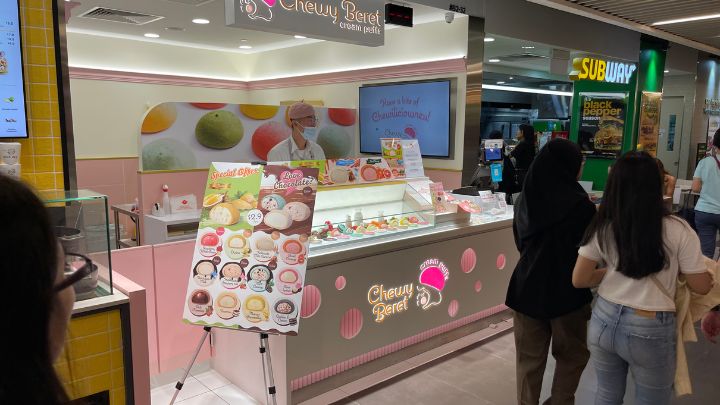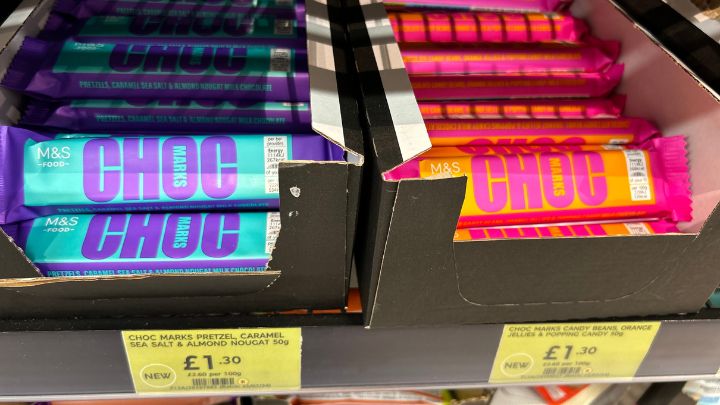

The UK confectionery market is undergoing significant changes driven by health trends, sustainability efforts, and shifts in consumer preferences. Australian retailers and manufacturers can take advantage of these insights to enhance their own market strategies. Here are several ways to leverage the UK confectionery outlook for benefit in the Australian market:
The UK’s focus on reducing sugar content and incorporating functional ingredients presents an opportunity for Australian companies to cater to the growing health-conscious consumer base. By developing lower-sugar options and adding functional ingredients such as probiotics and prebiotics, Australian manufacturers can appeal to health-focused consumers. This can be a part of broader wellness product lines that align with global health trends.
The rise of vegan and plant-based diets in the UK is mirrored globally. Australian retailers and manufacturers can expand their product lines to include more vegan and plant-based confectionery options. This not only caters to ethical and dietary preferences but also taps into a rapidly growing market segment.
Consumers are increasingly demanding products made with natural and organic ingredients. Australian manufacturers can focus on sourcing high-quality, organic ingredients and eliminating artificial additives. This can be marketed effectively to highlight the purity and health benefits of the products, resonating with consumers seeking clean-label products.
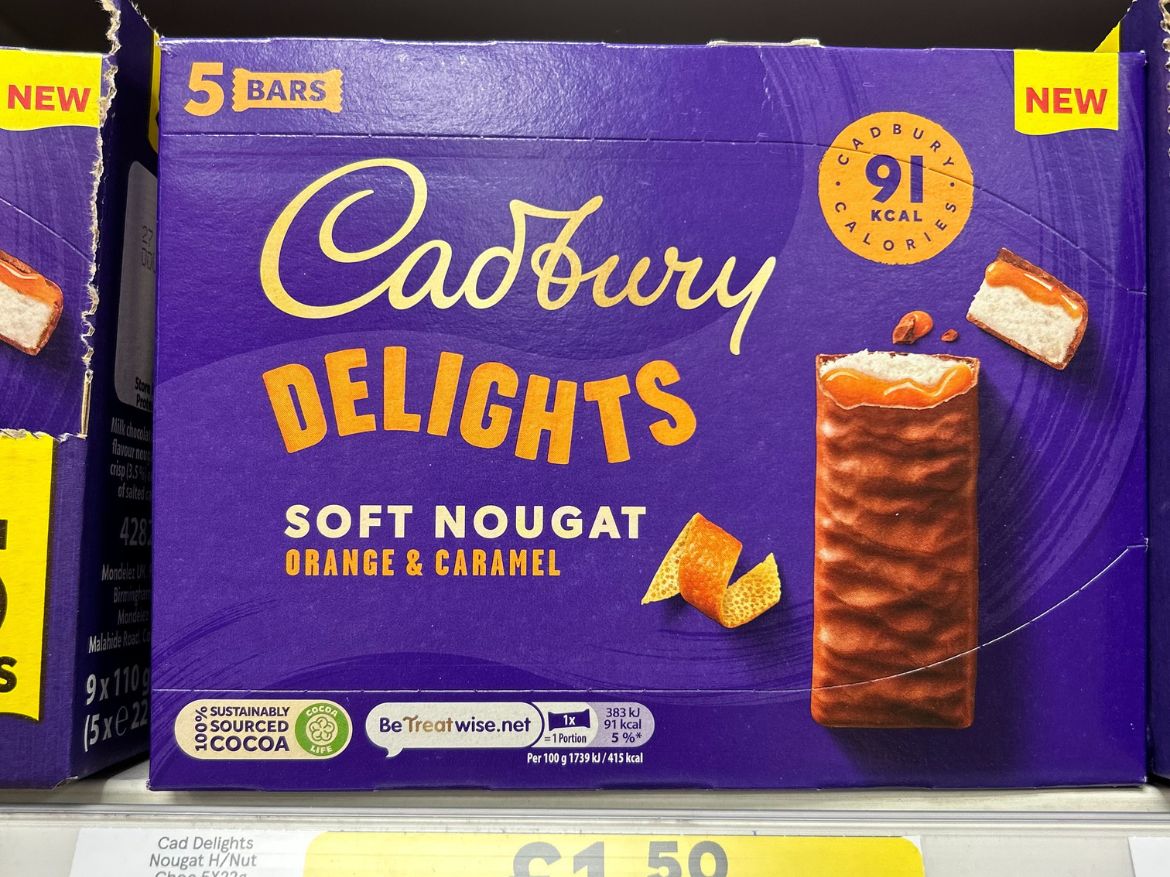
The concept of healthy indulgence, where consumers seek indulgent treats with a healthier profile, is gaining traction. Australian companies can innovate by creating premium products that offer indulgence without compromising on health. This could include dark chocolate with high cocoa content, nuts, and dried fruits, providing a balance of taste and health benefits.
Portion control packaging is a trend that helps consumers manage their intake and aligns with health goals. Australian manufacturers can introduce smaller, individually wrapped portions that offer convenience and moderation. This approach can be particularly effective for on-the-go snacking and can be marketed as a responsible choice for health-conscious consumers.
The popularity of sour and exotic flavours in the UK can be replicated in Australia to attract younger consumers and those seeking unique taste experiences. Innovative flavour combinations can differentiate products in a crowded market and cater to adventurous eaters.
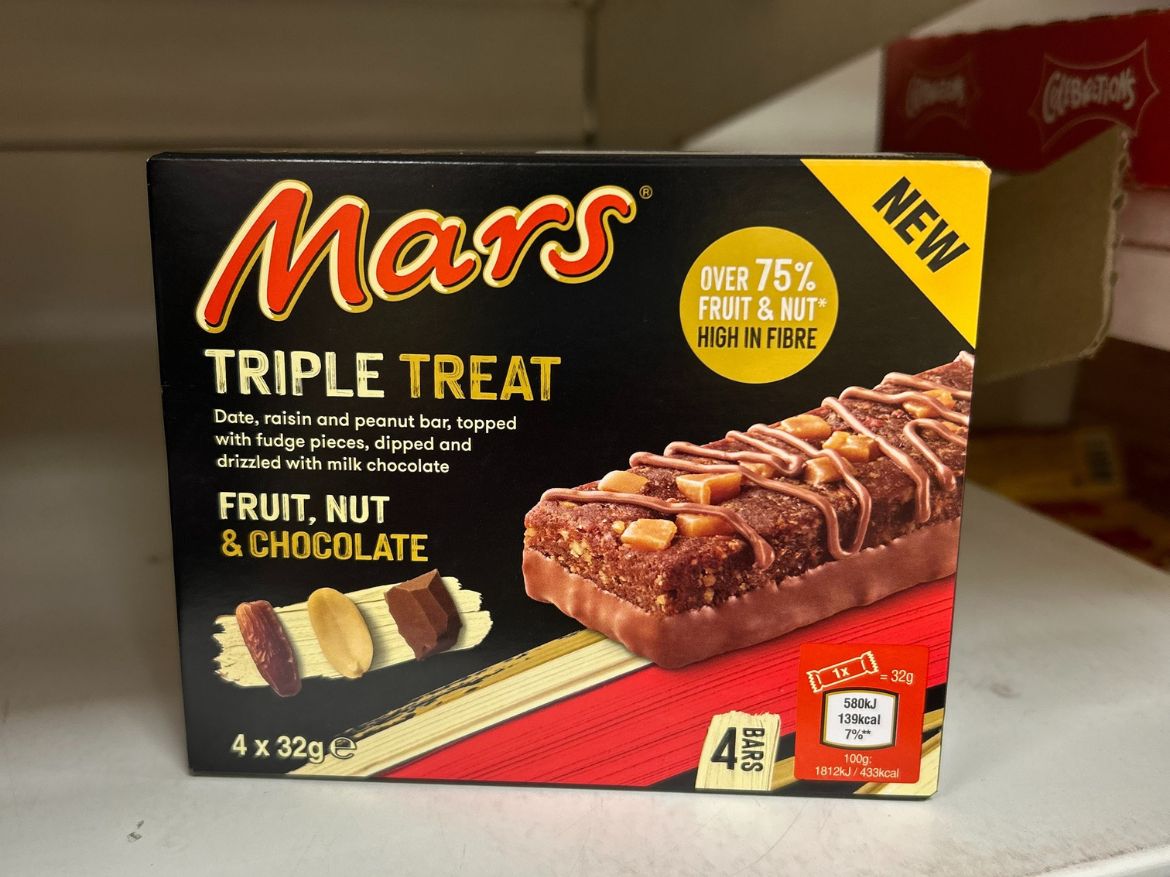
Sustainability and ethical sourcing are crucial for modern consumers. Australian manufacturers can emphasize fair trade and sustainably sourced ingredients in their products. Transparent communication about ethical practices can build trust and loyalty among consumers who prioritize sustainability.
Education about the health benefits, ingredient sourcing, and sustainability practices of products is essential. Australian companies can invest in educational marketing to inform consumers and build brand credibility. This can include detailed product labelling, informative campaigns, and engaging content that highlights the benefits of the products.
The shift towards sustainable packaging in the UK, such as paper and cardboard, is a trend that can be adopted in Australia. By reducing plastic use and introducing eco-friendly packaging, Australian companies can meet consumer demand for sustainability and comply with environmental regulations. This move can be promoted as part of a broader commitment to environmental responsibility.
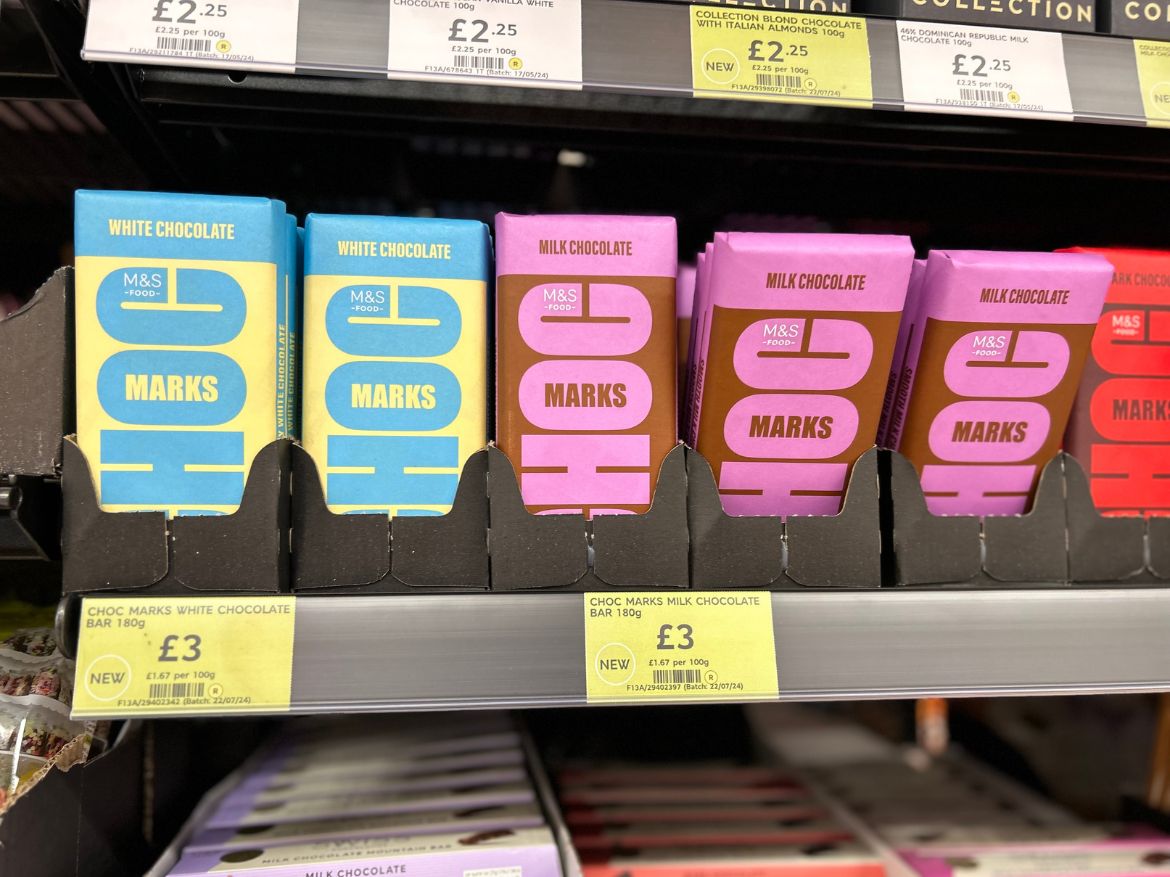
The rise of private labels in the UK presents an opportunity for Australian retailers to develop their own brands. By offering high-quality private label products at competitive prices, retailers can attract cost-conscious consumers and improve margins. Collaborating with local manufacturers to produce these private label products can also drive innovation and differentiation.
Convenience stores are significant drivers of confectionery sales in the UK due to impulse purchases. Australian retailers can enhance their presence in convenience stores by offering a range of products that cater to on-the-go consumers. This includes snack-sized portions, healthier options, and premium products that appeal to time-pressed shoppers.
Staying informed about regulatory changes in the UK, such as sugar reduction targets and potential taxation on high-sugar products, can help Australian companies anticipate similar trends locally. Proactively adjusting product formulations and marketing strategies to comply with potential regulations can provide a competitive edge.
Collaborations with brands can provide Australian companies with access to new products, flavours or sensory experiences and innovative products. Joint ventures, partnerships, and licensing agreements can facilitate the transfer of successful products and practices.
Conclusion
By leveraging the insights from the UK confectionery market, Australian retailers and manufacturers can innovate and adapt to meet the evolving preferences of consumers. Embracing health-conscious innovations, sustainable practices, and strategic collaborations can drive growth and success in the competitive confectionery market. The trends and strategies observed in the UK can serve as a valuable roadmap for Australian companies looking to enhance their offerings and capture market share.