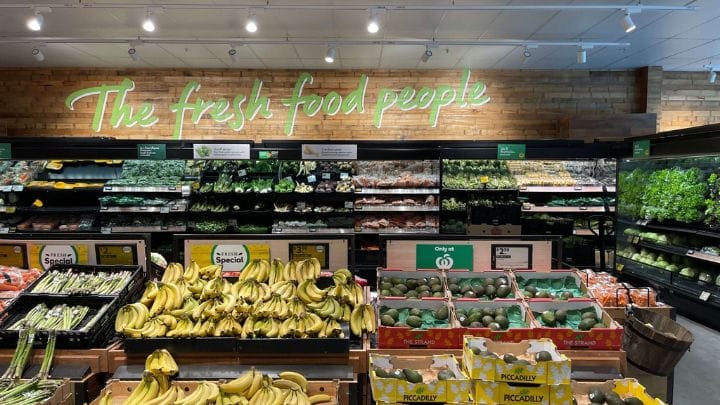
To win in the grocery retail industry today its critical to understand the customer or consumer, their changing requirements or needs and through a customer focused product innovation strategy ensure that your company or brand stays relevant to your target consumer group. The market has moved significantly to developing a product or solution that addresses a customer need solves a problem rather than just launching another flavour profile of an existing product. Historically whilst some brands have survived without demonstrating innovation or change because they have developed an iconic product, even they are changing their strategic approach and innovating today to increase commercial success, to reduce the risk of competition and prevent loss of market share.
Product Innovation in the context of the food and beverage industry demonstrates a commitment to leading change. The term is widely used to reflect the development or redevelopment of a product, usually lead by food consultants, product developers or executive chefs and it can take several forms including: –
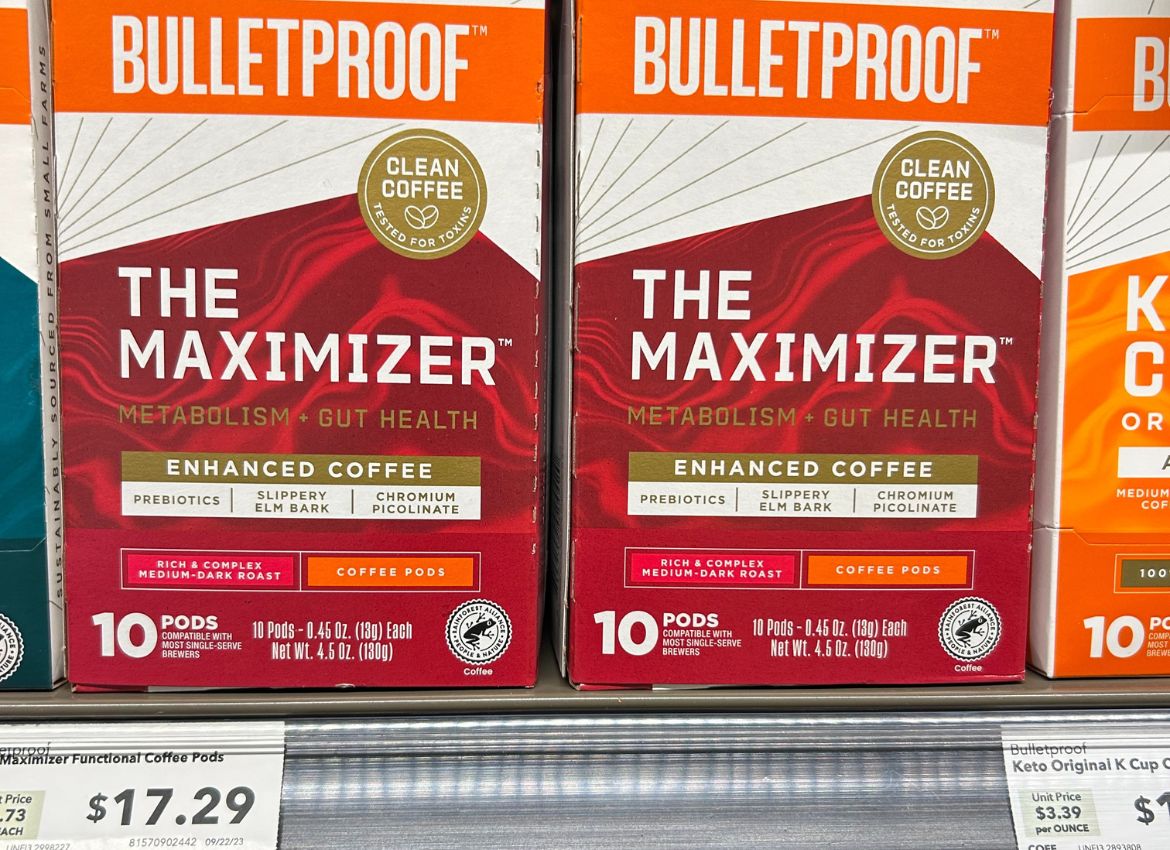
When consumers associate a brand with innovation, they are increasingly likely to see it as a leader in the field resulting in increased brand loyalty and ultimately sales. In reverse a lack of innovation within a brand can also have a significant negative impact on its commercial performance through poor customer engagement
Brand owners use strategic innovation to build category awareness and drive customer engagement, the program usually aligns with a key trading calendar working alongside a seasonal event, a season, or a major promotional campaign such as the summer, the Ashes or The Spring Carnival.
Retailers use Product innovation to build customer awareness and loyalty, through differentiation. Their Own Brand or Private Label strategy delivers products that are only available within their supermarkets or with brands to grow categories, replacing lines that no longer resonate sufficiently with consumers by offering them exciting alternatives. The current growth in hot sauce within the condiments category is a clear example, consumers are looking for innovation that support the megatrend behind heathier lifestyles and incorporating alternatives to the sugary sauces that have led the category for long periods.
The Product development process has changed significantly, from just developing new products and hoping they would resonate with consumers, to working intrinsically with marketing to understand consumer needs and deliver products or flavour concepts that address a problem or fulfill a need. Many of the companies that are wining in this space have structured Product innovation within their marketing teams to drive growth through newness, whilst the sales team drive growth through the established portfolios. This systematic change in approach has also led to the growth in partnering with established contract manufacturers to test and learn outside their core operating facilities and avoid adding complications to cost effective streamline production runs that remains a core business focus. Structure and culture are essential to win in Product innovation today, building the agility to try something different, respond quickly to change and market feedback whilst not losing sight of the day-to-day business challenges. Increasingly success comes from cross functional teams operating outside the core business structure with clearly defined goals, targets and decision-making rights. Bringing together customer insights, ideation, processing capability, branding and technical compliance to develop products that once launched become an expansion of the business as usual operating process and benefits from the wider teams skill.
Innovation can mean different things to different businesses, as such it’s important to understand what it means to your business and target customers before developing an Innovation policy. Providing a framework in your approach, understanding which other categories within the grocery environment your brand can resonate with customers and defining categories that are in scope to avoid overstretching.
There are 3 widely recognised levels of innovation: –
An effective Product innovation program works across a staged approach.
In a highly competitive area, some top tips for success are: –
Understanding innovation in other countries is an important source of inspiration for food technology consultants or product developers’ consultants looking to help clients deliver an effective product innovation strategy. We have recently complied several blogs highlighting some of the leading innovative products we have seen in key grocery markets including Australia, the USA and UK also available through our www site.